Wheels of Change: Making Naga Safer for Everyday Cyclists
Role: Volunteer UX Researcher
Project duration: 4 weeks
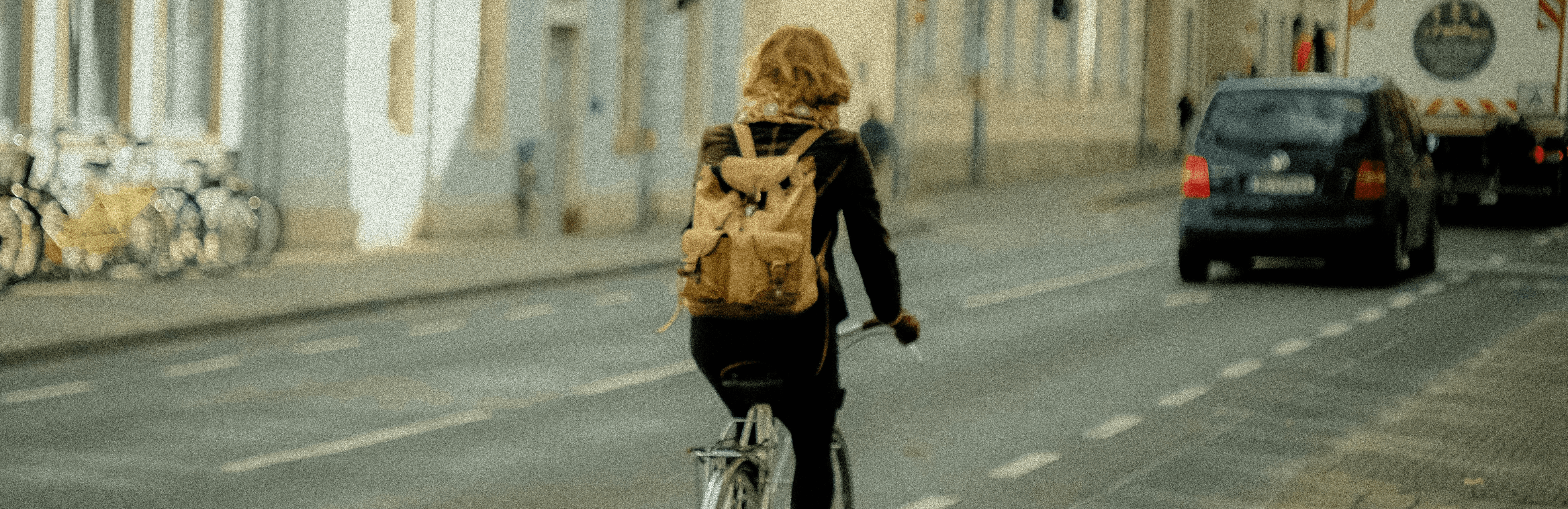
When public transport stopped during the pandemic, Naga’s frontliners turned to bikes, but the city wasn’t ready for them.
As a volunteer UX researcher, I led a 4-week study uncovering cyclists’ daily struggles and opportunities for safer streets.
Through surveys, interviews, and consultations with urban planners, the research became the first local dataset on cycling behavior sparking conversations with local leaders and helping shape a more inclusive, bike-friendly Naga.
Dive deeper
The Situation
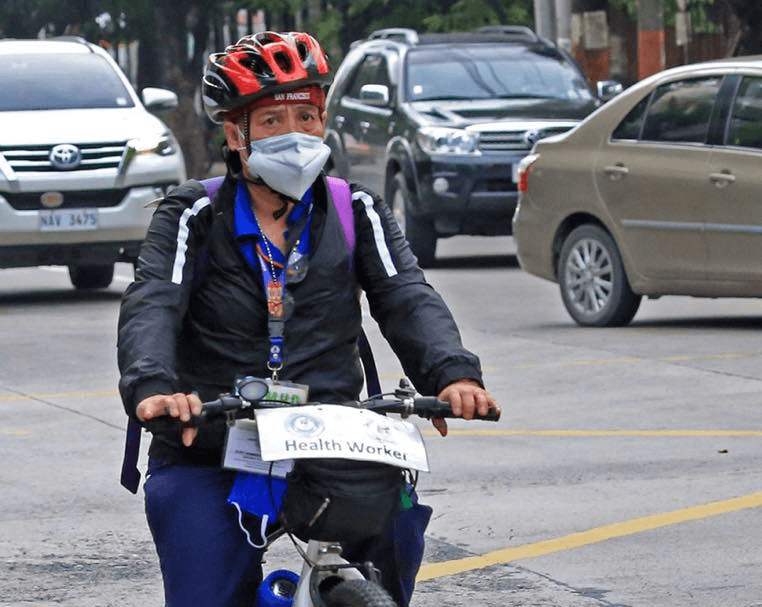
When the pandemic forced me to leave Manila and return home to Bicol, I noticed something different on the streets of Naga: more and more people were biking … not for sport, but out of necessity. Essential workers pedaled to their shifts, students borrowed bikes from cousins, and neighbors carried groceries in their baskets because public transport was scarce and fares had surged.
One rider told me, “Imbes pangbakal ko ning bagas… napapaduman ini sa pagsakay ning jeep,” choosing to borrow a cousin’s bike just to save enough for rice.
As a UX researcher and an active member of the Metro Naga Walking and Cycling Group, I felt compelled to understand what these new cyclists were experiencing. This wasn’t just about mobility it was about equity, safety, dignity, and community. So I launched a self-initiated research project to understand how Naga’s roads were serving (or failing) this growing group of riders.
Listening to Cyclists at Street Level
I conducted interviews with five new cyclists—everyday people using their bikes for work, errands, and exercise (3–6 months experience). Their stories echoed through a wider survey of 46 residents. Across these conversations, certain themes kept resurfacing: the lack of safe bike lanes, motorists ignoring cycling spaces, and almost no bike parking anywhere in the city.
Many also shared the daily inconveniences that outsiders often overlook, uneven roads, unsafe intersections, cycling at night without lampposts, and having no showers or safe bike racks at work.
One insight surprised me: Cyclists avoided small businesses and choosing only malls that offered bike parking. That meant local cafés, sari-sari stores, and small retailers were unintentionally losing foot traffic simply because cyclists didn’t feel safe stopping.
32% of respondents
Explicitly mentioned the lack of worksite amenities such as showers and repair areas.
74% of cyclists
Avoided small businesses due to the lack of bike parking.
8% of participants
Felt fully confident using existing unprotected bike lanes.
Seeing the System, Not Just the Symptoms
It became clear that cycling infrastructure wasn’t just about building more lanes. It was about creating a safe, dignified experience around the entire journey: the commute, the errands, the parking, the night ride home.
Opportunities emerged:
Add protected bike lanes and safer intersections, especially in commercial districts.
Expand bike parking in local businesses to boost community commerce.
Open repair stations in cycling hotspots to support riders after hours.
Improve lighting and road quality to protect cyclists at night.
Strengthen public consultations between cyclists and local government.
Encourage continuous collaboration between citizens and LGU initiatives.
Impact: Building Momentum Through Empathy
This project sparked deeper conversations within our cycling community and amplified the lived experiences of riders who had long been unheard. It helped shape subsequent dialogues with local officials, encouraged more cyclists to join public consultations, and supported the continuous improvement of cycling programs within Naga.
But more importantly, it demonstrated a truth I deeply believe in as a designer: Innovative solutions don’t start with technology, they start by understanding people.
By grounding the work in empathy and community stories, this project became more than research. It became a bridge between everyday cyclists and decision-makers, helping shape a city that moves not just faster, but more humanely.
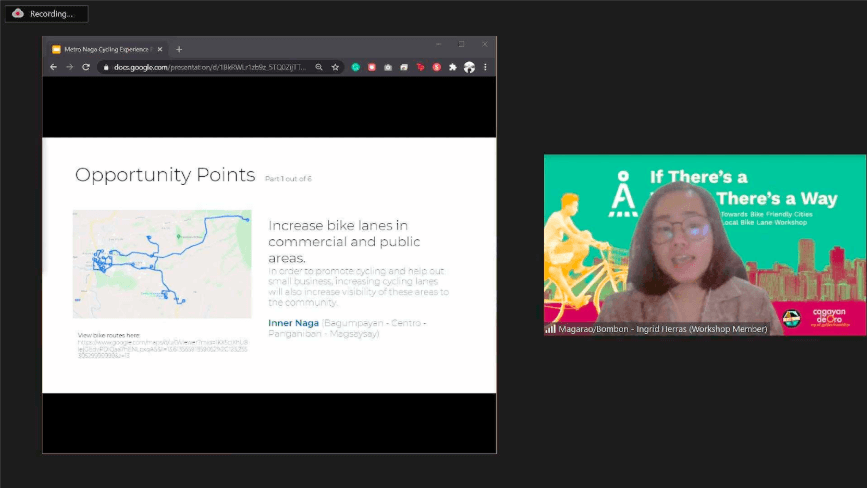
Presenting to local LGU’s on research insights
Special thanks to the wonderful people who enabled and supported me in this study.
WeSolve Partners
Hya Bendana, Kenneth Abante
Local LGU partners
Ghiel Rosales, Kristina Dacudao, Jude Castraverde
MetroNaga Active Transport
Dominic Nobleza
Check out more of my work
SERVICE DESIGN & UX DESIGN
The Art of Waiting (Less)
Designed and optimized in-branch Queuing Management System, integrating transaction-based lane logic and real-time branch insights for managers and tellers.
Learn more
UX RESEARCH & DESIGN
Designing Confidence for Frontliners
Led research and designed agency distribution platform, modernizing tools used by agents to sell, onboard and manage clients.
Learn more